

Extractor Fans For Kitchen Islands
Developed to make a strong style declaration, these extractor fans are a must-have for kitchen islands. They clear air of moisture, smells and steam as you prepare, helping keep your cooking space tidy and hygienic.
Available with both extraction and recirculation systems, these hoods can be ducted to the outside or utilize charcoal filters that pump fresh air back into your kitchen. Some even include Ghost Air Movement technology to guarantee quiet operation, perfect for open-plan kitchen dining areas.
Ceiling Extractor
A ceiling extractor hood is normally attached to the kitchen ceiling above your island hob, and it's developed as a streamlined style statement. They eliminate steam, smoke and odours, as well as purifying the air. They also come with various functions like push-button control and LED downlights, to take advantage of your kitchen.
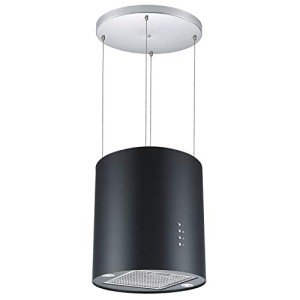
Flush fitting extractor hoods work by pulling the air upwards either through a duct set in your ceiling to an external wall and out of the room, or through a charcoal filter to the kitchen ceiling where it's then recirculated back into the area. Both options have their benefits and it boils down to personal preference. For instance, externally vented flush fitting hoods have better extraction rates but are louder. Our EVX101 has an extraction rate of 750 m3/h at the first speed, with a sound level of 45 dBA.
Downdraft extractors, on the other hand, aren't linked to your ceiling but are instead constructed into your counter top. This suggests they're much sleeker and more minimalist when not in usage, enabling your kitchen to be less chaotic. Nevertheless, you'll need to take extra care as they can easily overflow when you're cooking, and you'll require to clean your countertops frequently as an outcome.
Both models are available in a range of styles, so you can find one that fits flawlessly into your kitchen. You can likewise choose between a ducted or recirculating alternative, with recirculating fans being the less expensive of the two to buy. But the ducting alternative provides more power and is easier to install.
Ducted extractors also tend to be more costly to run, and they can develop a hole in your ceiling that will need to be covered afterwards. They're likewise most likely to be susceptible to breakdowns than recirculating fans, so it's essential to check their service warranty terms before purchasing.
Downdraft Extractor
If you desire a sleek, minimalist style that blends seamlessly into your kitchen ceiling, the Novy Panorama downdraft extractor is an outstanding choice. It features powerful extraction, advanced filtering, and quiet operation, making it an ideal match for modern kitchen areas. cooker hoods for islands has a recirculation system that keeps warm air in your kitchen, making it suitable for passive houses and zero-energy buildings.
Another benefit of downdraft extractors is that they can be installed better to your hob than conventional island cooker hoods. This reduces the quantity of smoke and fumes you're exposed to while cooking, and it will leave your kitchen with a fresher smell.
While downdraft extractors are extremely reliable, it's crucial to prepare your kitchen correctly if you decide for this alternative. The ducting will use up area above your hob, so you'll need to make sure there's enough room above your kitchen island for this. Also, you'll require to have a vent in your wall close by, which might not be a choice for all homes.
A downdraft extractor is also more costly than other types of kitchen hoods, however it's worth the financial investment if you're after an advanced appearance that will impress guests. You'll also discover that it is much quieter than other extractor fans, with a sound level comparable to that of a vacuum.
Another drawback to downdraft extractors is that they tend to be less reliable when utilized with bigger cookware. This is because they aren't as good at pulling steam and grease downwards. Nevertheless, this is not a deal-breaker for all cooks and can be quickly overcome by preparing your kitchen design with this kind of extractor in mind.
As opposed to downdraft extractors, the Caple domino modular downdraft extractor can be utilized with either gas or induction hobs. Its stainless steel and black glass design is a head-turner, while its illuminated touch controls make it simple to use. This package features an odour-absorbing charcoal filter, 4 extraction rates, and a timer to assist you clean up after dinner. It's likewise compatible with a variety of optional LED lighting, offering you the flexibility to set your kitchen's state of mind.
Flush Fitting Extractor
A kitchen extractor fan is an important component in keeping your cooking area clean and fresh, nevertheless, they can often be a design dictator, a view blocker and let's face it, a bit of an eye sore.
With open-plan living becoming more popular, it's essential that you pick a design that can accommodate your extraction requirements, in addition to the rest of your kitchen design and aesthetic. With a bit of cautious planning, you can find an extractor that's as discreet as it works.
The very best extractor fans for kitchen islands are those that integrate seamlessly into the ceiling and blend with your general plan. This alternative is perfect for those who are choosing for a minimalist look, especially if you're setting up a downdraft extractor fan above your island hob. This kind of hood can also include a popup extractor when not in usage, which can sit discreetly under the hob and skillfully increases up when you switch on your cooker.
Unlike conventional extractors, flush fitting designs do not need wall mounting, making them less noticeable and more stylish. These are normally readily available in modern matt black finishes to match numerous kitchen styles, and they're typically a good choice for those who have limited area to set up a downdraft extractor system.
If you can't fit a downdraft extractor in your ceiling void, another alternative is a recirculating extractor. This kind of hood attracts air from the space through a filter that eliminates grease and smoke, before recirculating it back into the kitchen once again. Recirculating models aren't as efficient as ducted extractors, so they aren't ideal for all properties.
Whether you choose a downdraft, ceiling or island extractor, it's important to consider your home's ventilation requirements and how much power you'll require your extractor fan to supply. You ought to also plan your path for ducting if you're going with a ducted model, and make sure the ceiling can support the weight of the extractor safely. Lastly, it's worth looking for designs with clever functions that can be integrated with your home automation systems for a more smooth, smart cooking experience.
Ducted Extractor
As many types of cooking produce steam, extractor fans can be extremely efficient in helping to ventilate your kitchen. They get rid of wetness from the air which, if left unaddressed, can cause condensation, developing an ideal environment for mould to grow. Kitchen extractor fans likewise eliminate smoke, odours and grease, making them a vital piece of set for any kitchen. (Source: Homebuilding & & Renovating).
Kitchen extractor fans can either duct the air outside or pass it through a filter before recirculating it back into your kitchen. This helps to make your kitchen a cleaner area and stops the accumulation of food gunk, which can result in health issues such as asthma. They can also help to deodorise your kitchen, with charcoal filters being particularly reliable at neutralising cooking odours.
In addition to this, many extractor fans work automatically, implying they will start operating once the level of humidity in your kitchen reaches a certain point, eliminating it as quickly as possible. This is much more effective than needing to by hand use a cooker hood or opening the windows, and can save money on energy costs in the long run.
Ducted extractors are the finest option for accomplishing excellent ventilation in your kitchen as they press air directly outside through a duct system. However, they aren't suitable for all homes as you require to have the right amount of area to fit a ducting system. Ductless extractors provide a more flexible service for kitchen areas where ducting isn't feasible. They extract air from the kitchen and pass it through a carbon filter to clean it, before recirculating it into the kitchen. Nevertheless, these can be noisier than ducted systems and require regular filter replacement.
All extractor fans must be regularly cleaned to ensure they carry out to the greatest requirement and keep working at their optimal performance. For this factor, it's constantly suggested to select an expertly installed kitchen extractor fan to be sure of the very best results. To learn more about kitchen extractor fans, get in touch with our team of specialists today. They'll be pleased to discuss your alternatives and assist you discover the perfect service for your home.